Explore the western parts of Bhutan and experience the small town of Paro, the vibrant capital Thimphu, and the peaceful valley in Punakha.
Day 1: Welcome to Bhutan- Explore Paro
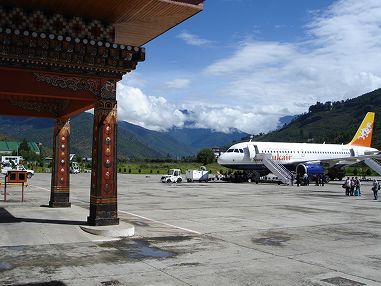
Before you arrive at Paro International Airport, you can enjoy the panoramic views of the Himalayas, with snow-capped peaks and lush green valleys of Bhutan.
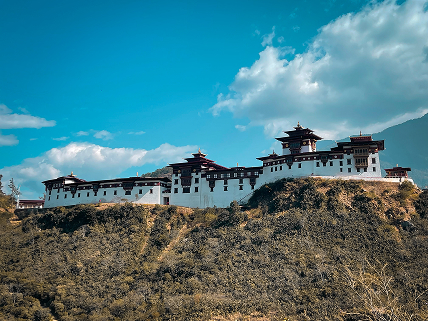
If there is time, visit the Paro Rinpung Dzong which is an iconic fortress/monastery that is perched on a hill overlooking the Paro river. It was built in the 17th century known for its intricate woodwork and sacred murals, making it a must visit landmark in Paro.
Or you can stroll through Paro town and explore local handicraft shops and cozy cafes. It is the perfect place to experience the charm of a slow paced Bhutanese daily life.
Overnight in Paro.
Day 2: Taktsang Monastery
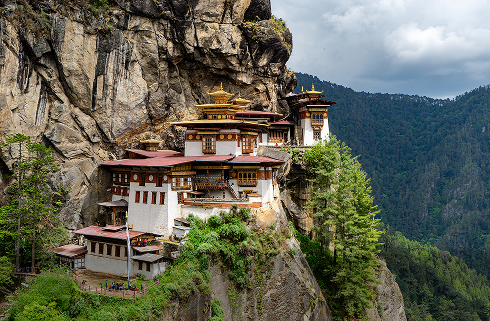
Morning hike to the Taktsang Monastery/Tiger’s Nest and enjoy the breathtaking views of the valley. The Taktsang Monastery is an iconic landmark because it is located on a cliffside 900 meters above the Paro Valley and is a place of great spiritual significance. It was built in 1692, and is believed to be the meditation site of Guru Rinpoche, a spiritual teacher who introduced Buddhism to Bhutan.
If you would like to opt out of visiting the Monastery, explore Taktsang’s cafeteria which is a 1.5 hours hike where you can enjoy the view of the monastery.
After visiting the Monastery, head back to Paro town to relax.
Overnight in Paro.
Day 3: Travel to Thimphu – Bhutan’s Capital
Scenic 1.5 hour drive from Paro to Thimphu.
Visit Buddha Dordenma, a massive golden Buddha statue standing 51.5 meters tall on a hilltop in Thimphu. The site offers stunning panoramic views of the valley and is a place known for its spiritual significance.
Explore the Tashichho Dzong, a beautiful fortress-monastery in Thimphu with stunning architecture, and rich cultural history.
Stroll through Thimphu Town where ancient monasteries and dzongs stand alongside modern developments. This makes Thimphu a fascinating place where the old and new coexist harmoniously.
Overnight in Thimphu.
Day 4: Thimphu
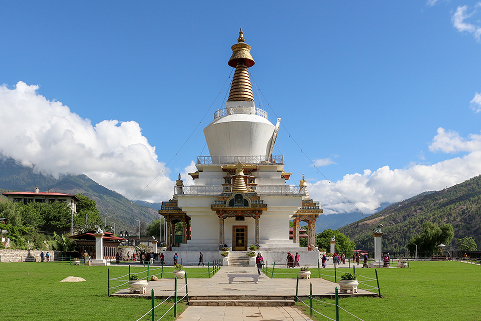
Visit the memorial Chorten, which is a popular landmark in Thimphu, for both tourists and locals alike since it is a place for spiritual retreat and peaceful scenery.
Stop by the Motithang Takin Preserve to see Bhutan’s national animal. It is a must-visit place for wildlife enthusiasts to learn about Bhutan’s cultural connection to this fascinating creature.
After lunch, visit the Textile Museum which showcases the country’s rich cultural heritage. The museum has two main sections which are ancient and royal textiles and weaving demonstrations. It is the perfect place to learn about Bhutan’s fabrics, the significance of it and the skills required to create them.
Visit the Zorig Chusum (the 13 Traditional Arts and Crafts) which includes painting, sculpting, wood carving, and embroidery. You will get to witness young artisans learning these crafts and ensuring the artistic tradition to continue in Bhutan.
Overnight in Thimphu.
Day 5: Punakha
On your way to Punakha, visit Ser Bhum microbrewery and try 4 different types of locally crafted beers. Then drive 3 hours to Punakha via Dochu La Pass (3,050m).
The pass is adorned with 108 chortens, which were built for each Bhutanese soldier’s life that was lost in combat for the kingdom. The pass is also a place where you can see a spectacular view of the Himalayas on clear sunny days.
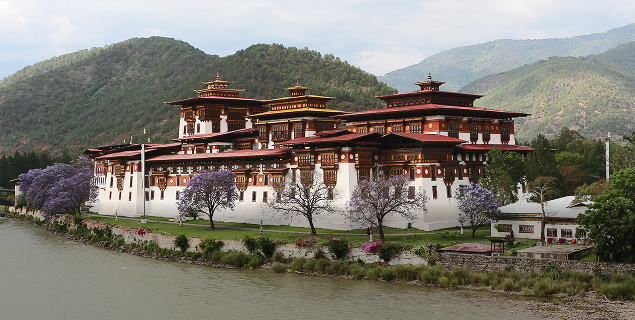
Once you reach Punakha, visit the Punakha Dzong that was built in 1637. The fortress is important because it consists of sacred relics and is the winter residence of the monastic body.
Overnight in Punakha
Day 6: Punakha, Water Rafting
The Pho Chhu river in Punakha is one of the most popular rafting spots in Bhutan where you can see stunning landscapes and rare exotic birds. Water rafting is a fun, memorable way to experience Bhutan and its culture.
If you would like to opt out of water rafting, you can go on a picnic by the Pho Chhu river and enjoy the serene view of the valleys and rivers.
Drive to Wangdiphodrang.
Overnight in Wangdiphodrang.
Day 7: Wangdiphodrang
Visit Phobjikha, a valley that is known for its wide-open landscapes and home to Gangtey Monastery. This monastery is the best location to see the rare black-necked cranes (November-March). You can also visit the Black-Neck Crane Information Centre to learn more about the endangered birds and their conservation. Then hike the Gangtey Nature Trail which is a easy 1.5- hour hike through meadows and forests.
Head towards natural hot springs located along the Punatsangchhu River, perfect for relaxation.