Religion and Spirituality
Religion
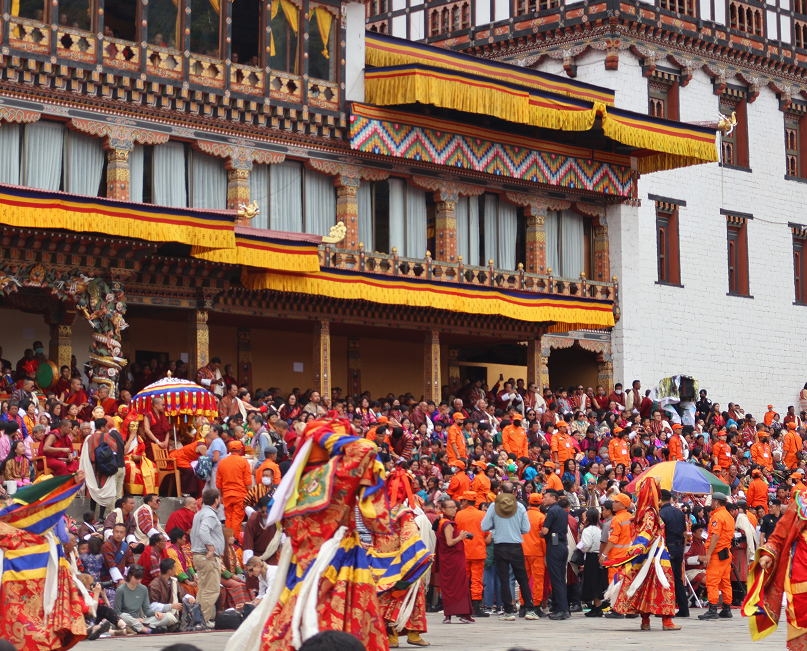
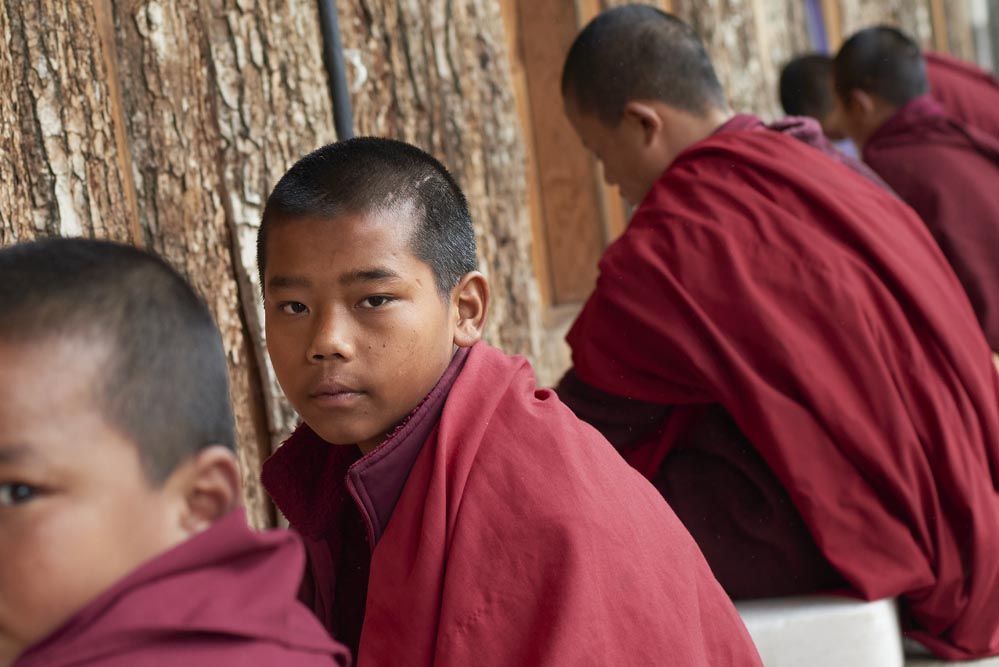
Religion is inseparable from daily life in Bhutan. Monks in maroon robes, prayer flags lining mountain ridges, and whitewashed monasteries are constant reminders of the country’s deep spiritual roots. The majority of Bhutanese practice Vajrayana Buddhism, primarily following the Drukpa Kagyu school. This tradition emphasizes compassion, mindfulness, and the aspiration to liberate all sentient beings from suffering.
Before Buddhism, the indigenous Bon religion centered on nature worship was prevalent, and remnants of these beliefs persist today, especially in remote areas. Buddhism was first introduced in the 8th century by Guru Rinpoche and later consolidated by figures such as Phojo Drugom Zhigpo. The unification of Bhutan under Zhabdrung Ngawang Namgyel in the 17th century firmly established Buddhism as the foundation of Bhutanese identity.
In Bhutan, religion is not confined to temples or annual festivals. It is present in daily rituals- morning offerings at household altars, consulting astrologers for auspicious dates, and evening circumambulations of chortens. Understanding this spiritual continuity offers deeper insight into Bhutanese architecture, culture, and social values.
Spirituality
With its pristine environment, peaceful communities, and ancient spiritual traditions, Bhutan is an ideal destination for rest, reflection, and inner renewal. Spiritual travelers are drawn to the country for experiences that nurture both body and mind, far removed from the distractions of modern life.
Popular activities include meditation retreats, yoga practice, traditional hot stone baths, and consultations in Bhutanese traditional medicine. These experiences are often complemented by time spent in monasteries, quiet walks through nature, and meaningful exchanges with monks, nuns and other local practitioners.
Meditation, Yoga, and Wellness Traditions
Bhutan is considered one of the last strongholds of Vajrayana Buddhism, making it a natural setting for meditation retreats. Peaceful retreat centers are found across the country, offering guided programs for visitors as well as long-term retreats for devout practitioners. Some monks and lay meditators dedicate months or even years to silent retreat, focusing entirely on prayer and contemplation.
Traditional Hot Stone Baths: This is Bhutan’s signature wellness experience. River stones are heated in a bonfire until they glow red and are then dropped into a wooden tub filled with medicinal water and Artemisia leaves. Enjoyed at homestays, hotels, and select trekking camps, these baths are believed to ease muscle tension and promote healing after long days of travel.
Meditation & Yoga: Yoga, an ancient practice originating in India, is also widely available. Yoga centers in cities such as Thimphu offer classes for all skill levels, focusing on physical strength, flexibility, and mental clarity. Whether you are looking for a guided session or a multi-day retreat, the quietude of the Himalayas provides the ultimate canvas for inner work.
Traditional Medicine and Sacred Rituals
Bhutan’s traditional medical system, known as So Wa Rigpa, is a holistic approach to health that dates back to the 7th century. Once known as Menjung, or the “Land of Medicinal Herbs,” Bhutan has a long history of herbal medicine influenced by Indian Ayurveda and Tibetan medical knowledge. Treatments focus on balancing the body’s energies through natural remedies, diet, and lifestyle practices.
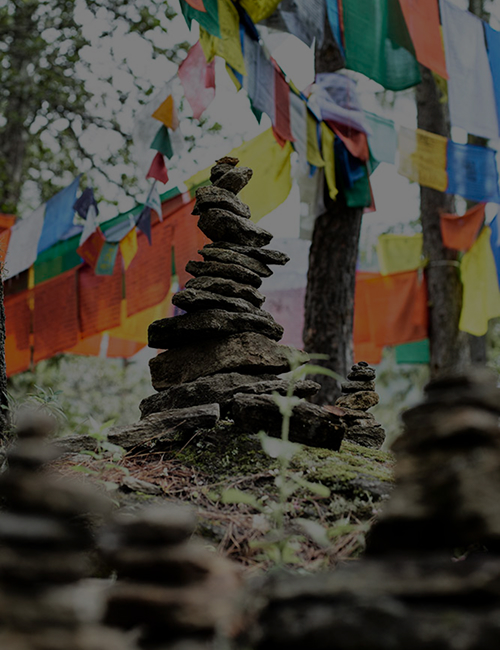
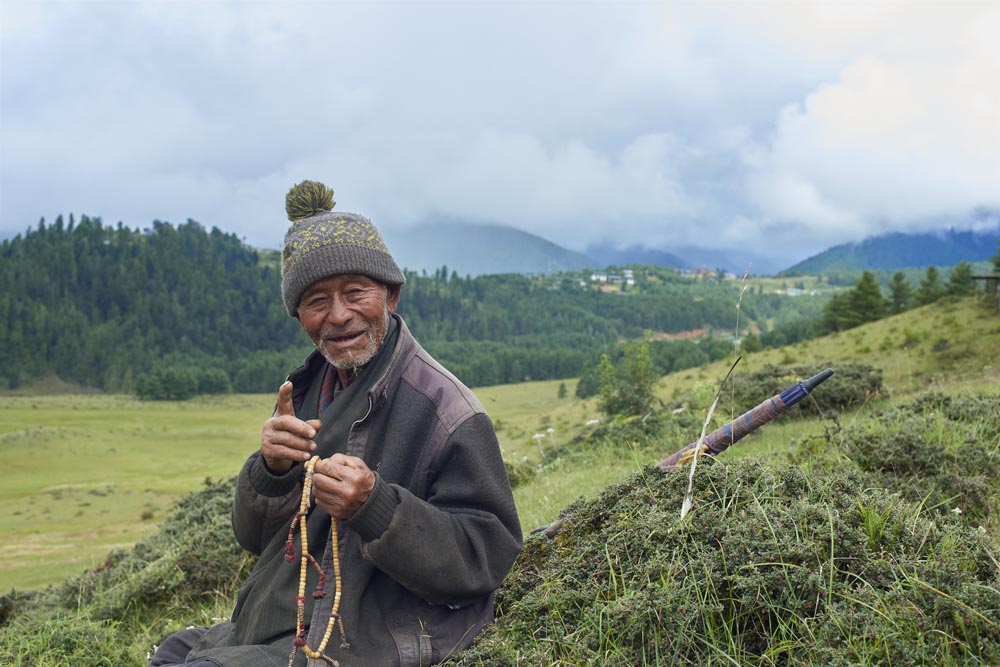
A spiritual journey in Bhutan may also include prayer sessions, astrological readings, hoisting prayer flags, blessing ceremonies, and discussions with monks and nuns- each offering deeper insight into the country’s spiritual worldview.
Sacred Sites and Monasteries
While spirituality can be found in a simple forest walk, no journey is complete without visiting the “strongholds” of the faith. Some of the most notable sacred sites in Bhutan include:
- Taktsang Monastery (Tiger’s Nest), Paro: The definitive Himalayan pilgrimage.
- Chimi Lhakhang, Punakha: The famed fertility temple of the Divine Madman.
- Buddha Dordenma, Thimphu: One of the largest sitting Buddhas in the world.
- Mebar Tsho (The Burning Lake), Bumthang: A deep, sacred pool where treasures of the faith were discovered.
Bhutan’s deep spirituality is evident in everything from its architecture and festivals to the daily habits of its people. Whether through meditation, yoga, traditional wellness practices, or visits to sacred sites, those seeking spiritual insight or quiet reflection will find that in Bhutan, the path to awakening is never far away. Find out how you can experience Bhutanese spirituality for yourself as part of our “7, 8, 14 and 19 day itineraries.”