Fantastic Festivals
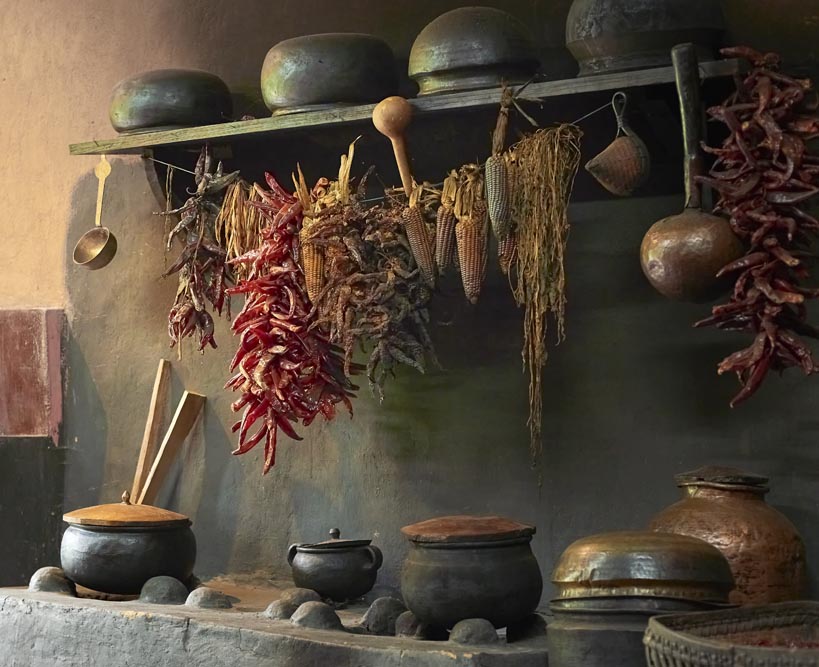
If you want a glimpse into Bhutanese culture and traditions during your trip, you must see how the local people celebrate. Partaking in a festival of Bhutan is not just a way to engage with everyday people or take pictures wearing beautiful traditional clothing; it provides an invaluable glimpse into the values we hold close and the identities that shape who we are. These gatherings are the heartbeat of communities, where the secular and sacred merge in a vibrant display of devotion and joy.
Here are some festivals to think about during your trip planning. You can let us know if you want to include them in your itinerary or if there are any others that you are interested in, and we will be happy to help curate your unforgettable journey to Bhutan.
Tshechu
Tshechu literally translates to “tenth day,” as it is held on the 10th day of the lunar calendar and usually honors the birth and life of Guru Rinpoche, a revered saint and religious figure in Buddhism. It is the most widely celebrated festival across Bhutan, with each district and most towns celebrating their own tshechus at local temples, monasteries, and dzongs.
Bhutanese people take this as an occasion to wear their finest hand-woven clothes and heirloom jewelry to attend this three to five day festival. Various mask dances, known as Cham, are performed by monks and laymen, along with folk songs and dances by local people. You will also see the Atsaras- masked clowns who provide comic relief while also serving as spiritual protectors. Locals believe that attending these festivals allows them to gain spiritual merit and receive blessings for the year ahead.
Thimphu Tsechu (September 21-23, 2026)
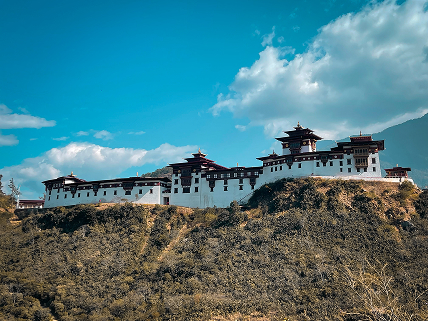
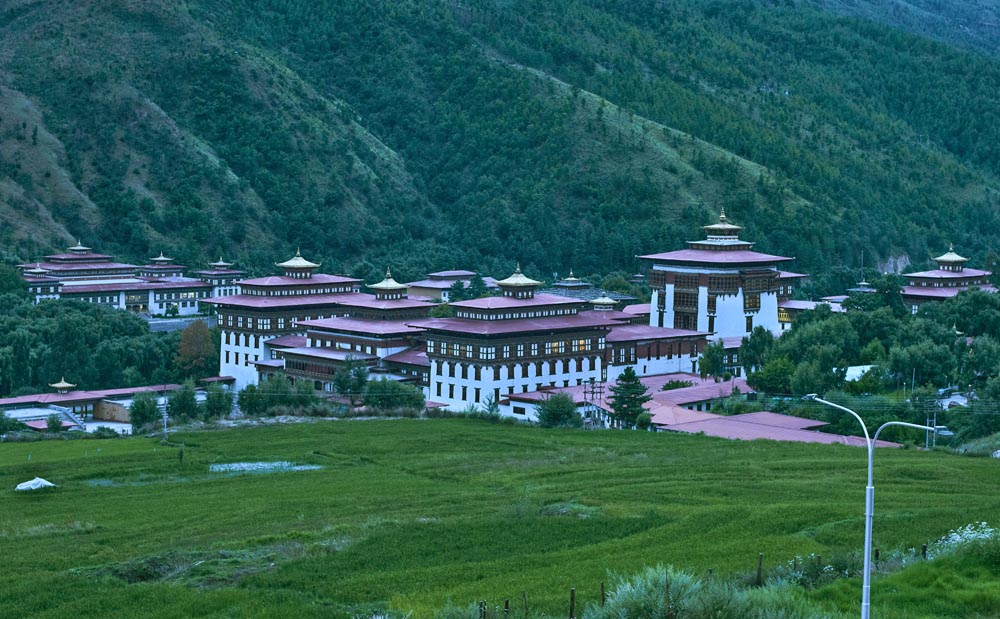
Tashichhodzong, Thimphu
Held in the nation’s administrative and religious center, Thimphu Tshechu is one of the most vibrant religious and cultural gatherings in Bhutan. The festival commemorates the deeds and teachings of Guru Rinpoche (Padmasambhava), the great Buddhist saint who is believed to have subdued local deities and established Buddhism in Bhutan.
Although the public attends the festival over the course of three days, monks make preparations months in advance, practicing the precise movements of dances. The day and night before the actual Thimphu Tshechu, deep prayers and rituals are conducted to invoke the deity. Thousands of devotees flock to the capital, and for guests, it’s the perfect time to immerse yourself in an ancient way of life that still stands today.
Paro Tsechu (March 29- April 02, 2026)
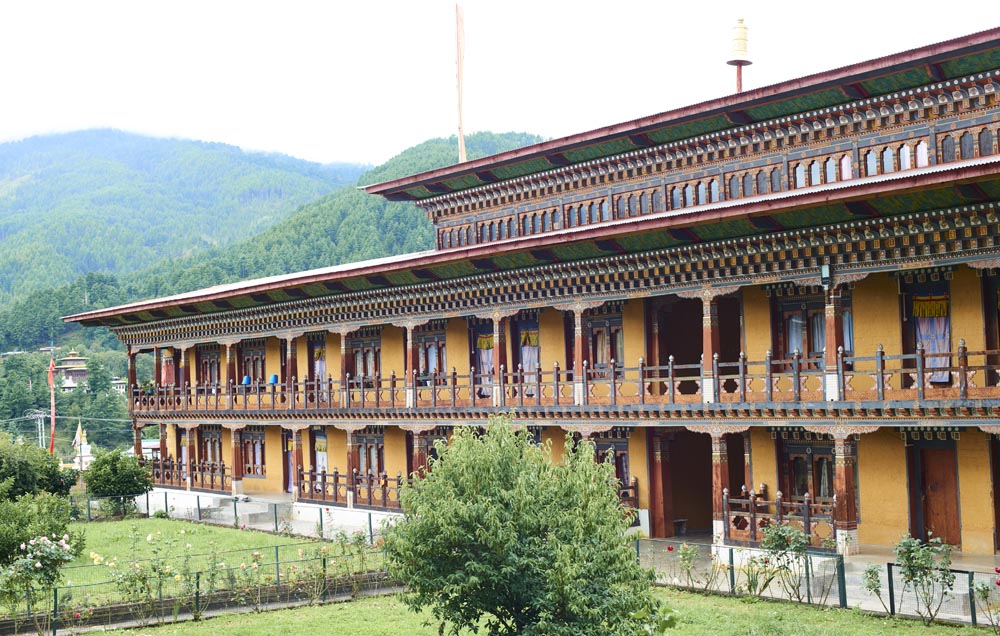
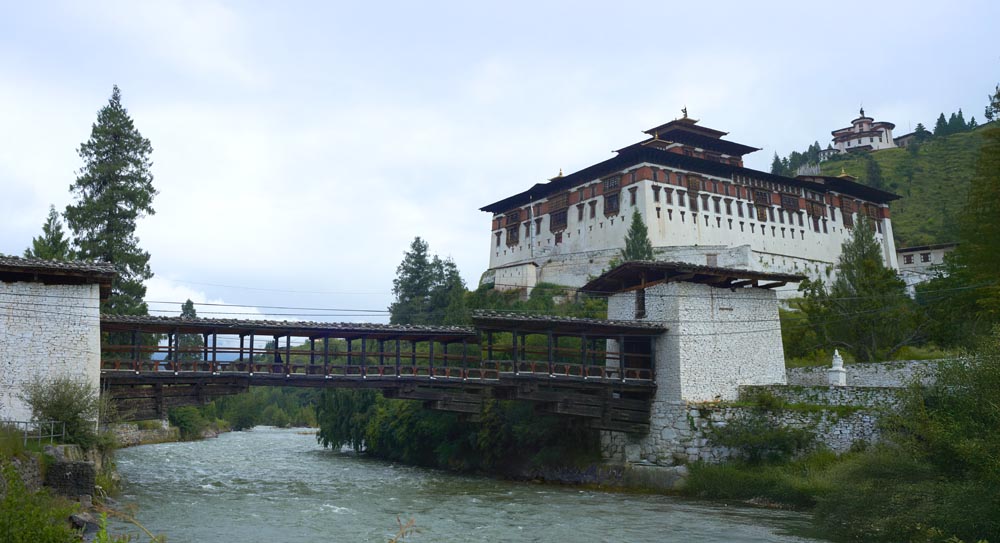
Paro Dzong, Paro
Considered the holiest among the festivals, this annual celebration is held within the historic Paro Dzong and takes place over the course of five days. Commemorating the birth anniversary of Guru Rinpoche, the key attraction of the festival is the intricate mask dances performed in the temple courtyard.
Accompanied by rhythmic chanting and the sounds of horns and cymbals, these dances depict folktales or significant feats of Guru Rinpoche. On the last day, the festival begins at 3 am with a ritual parade bringing in the sacred hundred-year-old Thongdrel. The unfurling of this giant, embroidered silk scroll depicting the eight manifestations of Guru Rinpoche is a sacred time-honored tradition; it is believed that simply viewing the thongdrel can cleanse one of sins.
Punakha Tsechu (February 27-28, 2026)
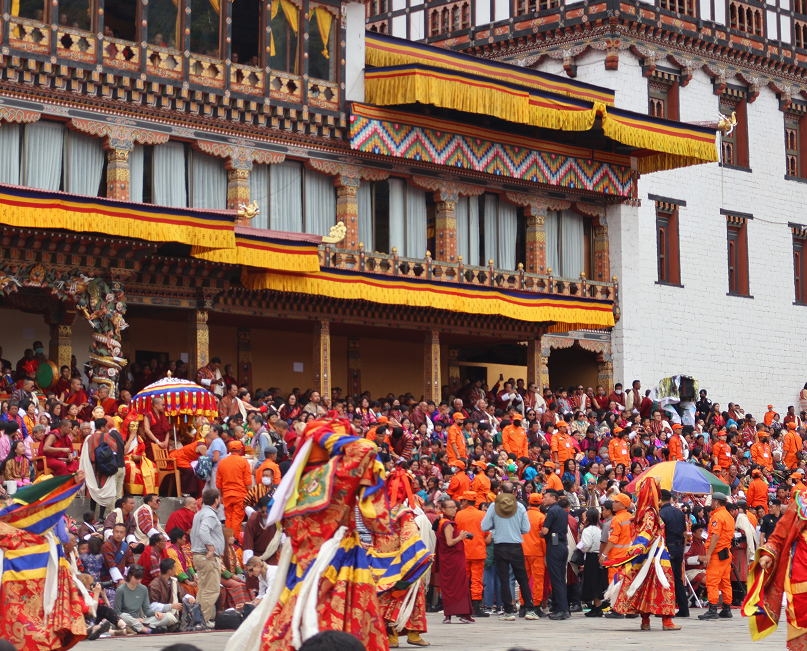
Punakha Dzong, Punakha
Another Tsechu to consider during your trip is the one that takes place at the historic Punakha Dzong, located at the confluence of the Pho Chhu and Mo Chhu rivers- also considered one of the most picturesque and beautiful fortresses in Bhutan. The Punakha Tsechu also honors Guru Rinpoche and his teachings through sacred rituals and mask dances.
This festival is preceded by the Punakha Drubchen where visitors can get a glimpse of the exhilarating re-enactment of a 17th century battle against the Tibetan military at Punakha Dzong. The drubchen celebrates Zhabdrung Ngwang Namgyel leading his men to victory and protecting the country’s most sacred relic, the Rangjung Kharsapani. During this festival, the Pazaps or the local militia men dress in traditional war armory and re-enact the formidable fight scene with gusto and great fanfare.
Druk Wangyel Tsechu (December 13, 2026)
Dochula Pass, Thimphu
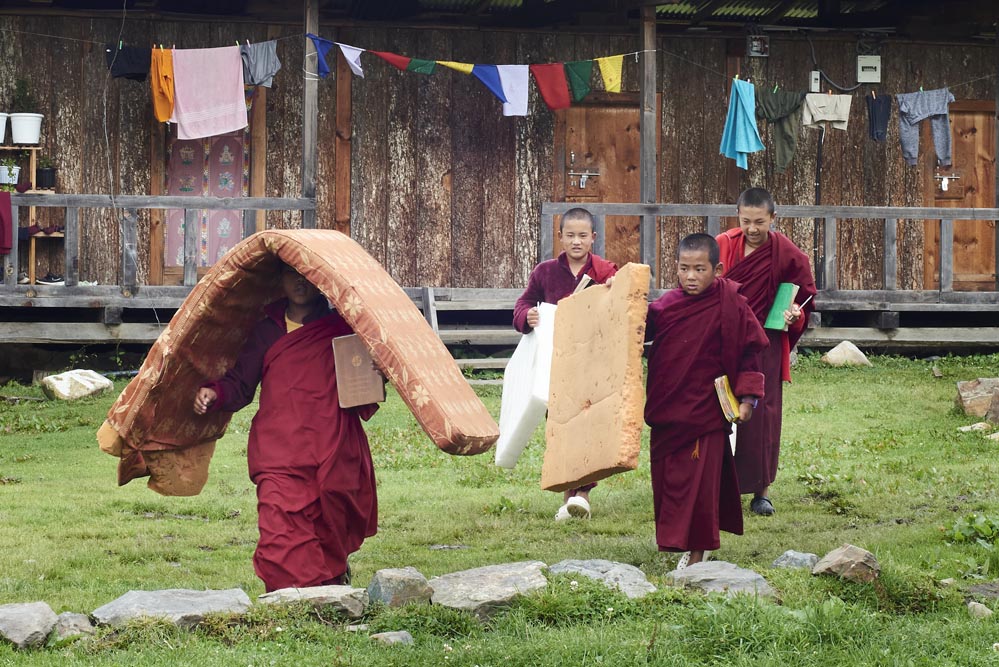
The Druk Wangyel Tshechu is a unique tsechu where the mask dances are performed by the Royal Bhutan Army instead of monks or ordinary people. This festival started in 2011 by Her Majesty the Queen Mother Ashi Dorji Wangmo Wangchuck in recognition of His Majesty Jigme Singye Wangchuck, the Fourth King of Bhutan.
The festival commemorates the victory of His Majesty and the armed forces against the insurgent force residing in southern Bhutan in 2003. Set against the backdrop of the 108 memorial stupas and the gorgeous Himalayan mountains at the Dochula Pass, this tshechu pays homage to the national armed forces and their role in protecting the peace and sovereignty of Bhutan.
Rhododendron Festival (April 13-14, 2026)
Royal Botanical Park, Lamperi
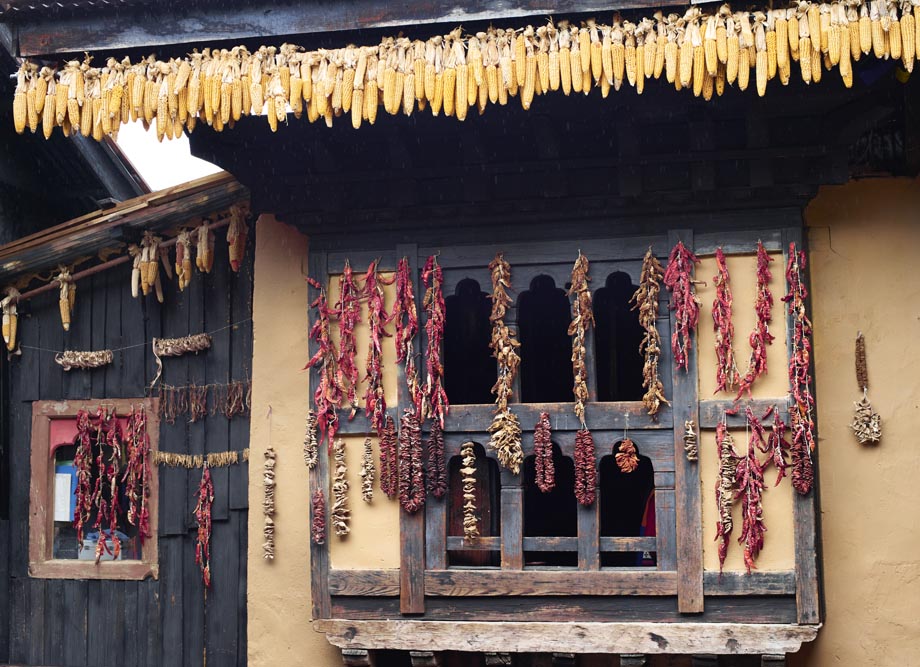
While the blue poppy might be the traditional flower of Bhutan, the vibrant rhododendron defines the spring landscape. Bhutan is home to 46 species of what locals call “etho metho,” and the annual Rhododendron Festival pays homage to this natural gem.
Held during the rhododendron blooming period, this festival takes place in the sprawling botanical park of Lamperi, located between Thimphu and Punakha. The festival highlights conservation efforts of fragile alpine ecosystems and activities include exhibitions, folk songs, masked dances, local food and handicraft stalls.
Royal Highland Festival (October 23-24, 2026)
Laya, Gasa
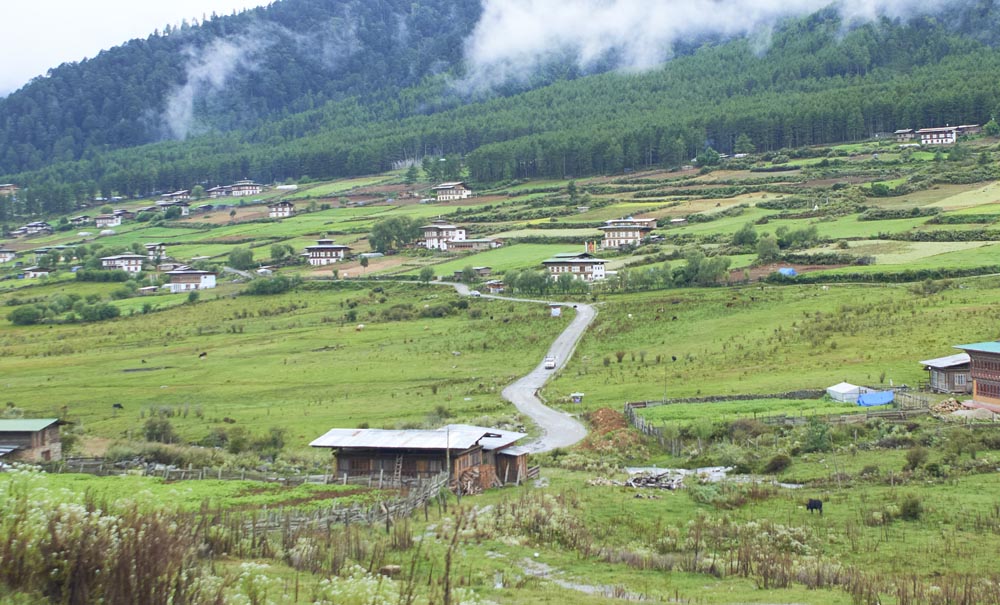
If you have seen Pawo Choying Dorji’s Oscar nominated film “Lunana: A Yak in the Classroom”, then you might be familiar with the untouched natural beauty of the Bhutanese highlands. The Royal Highland Festival is set in the village of Laya, located in the northwestern district of Gasa at an elevation of 3,800 meters.
Immerse yourself in the rhythms and customs of highland life as highlanders from all over the region gather at the festival to showcase local products, agricultural practices and livestock.
Quickly gaining popularity with both locals and tourists since its introduction in 2016, the Royal Highland Festival offers enchanting events like Buelwa or traditional gift offerings; Auley or ancients songs and poems; and competitions for highland animals, local strong men and women. Runners can participate in the Laya Run, a 25 km high-altitude race that marks the beginning of the festivities.
Jambay Lhakhang Drup (October 25-28, 2026)
Jambay Lhakhang, Bumthang
This festival is held at one of the oldest temples in Bhutan, dating back to the 7th century. It is most famous for the Mewang, a fire blessing where locals run through a burning gate made of dry grass to purify themselves. Another highlight is the Tercham, or the Naked Dance, performed at midnight by locals in masks to bless the land and ensure fertility. It is a deeply mystical experience that draws visitors to the spiritual heart of the country.
Black-necked Crane Festival (November 11, 2026)
Gangtey Goenpa, Wangduephodrang
The Annual Black-necked Crane Festival is a one-day celebration at Gangtey Gonpa in Phobjikha valley. Black-necked cranes or Grus nigricollis are a threatened species only found in parts of Tibet, India and Bhutan. These majestic birds breed in the Tibetan plateau and arrive in Bhutan from late October to February. These birds are revered by Bhutanese as symbols of longevity, peace, and good fortune.
The Black-necked Crane Festival is held in the serene Gangtey Monastery and was initiated by the Royal Society for the Protection of Nature (RSPN) which champions the conservation efforts to save these beloved birds. The festival also features a “Crane Dance” performed by local schoolchildren in bird costumes, alongside traditional mask dances and ecological-themed dramas performed by the community.